Defending Democracies: Lessons from Europe and the Americas
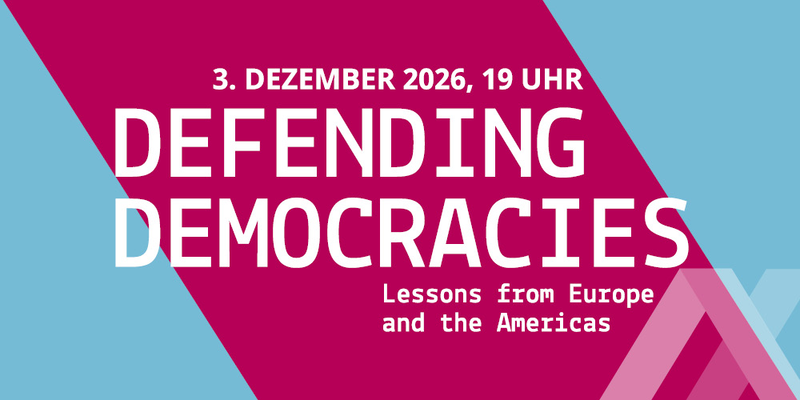
Panel Discussion: December 3, 2026, 7:00 p.m.
Over the past several years, illiberal and anti-democratic currents have intensified across the globe — and not just in places we associate with fragile institutions, but in countries long considered mature, stable democracies, including Germany and the United States. Trust in institutions is eroding, disinformation is reshaping public debate, and the space for civil society to operate freely is narrowing even where democratic norms once seemed secure. Against that backdrop, we want to hear directly from people doing this work: what role do you see civil society actually playing in defending democracy today, what's gotten harder, and where are you finding unexpected sources of strength?
What does civil society’s actions to defend democracy actually mean in practice? Is it about holding power accountable, protecting space for dissent, keeping institutions honest — or something else? Would you even describe what you do as “defending democracy” or if that framing feels too abstract to you.
For those doing this work day to day, what's become more challenging in the last few years? How do you see civil society actors mobilizing to counter increasingly authoritarian trends in key sectors like scientific inquiry, higher education, journalistic freedom, etc.?
We tend to assume civil society’s allies are other NGOs, courts, or a free press. Are those still the partnerships that matter most right now — or are you finding unexpected allies, maybe across generations, sectors, or even political lines, that are proving more useful than the traditional actors?
Language: English
More information about the event will be posted here shortly.